
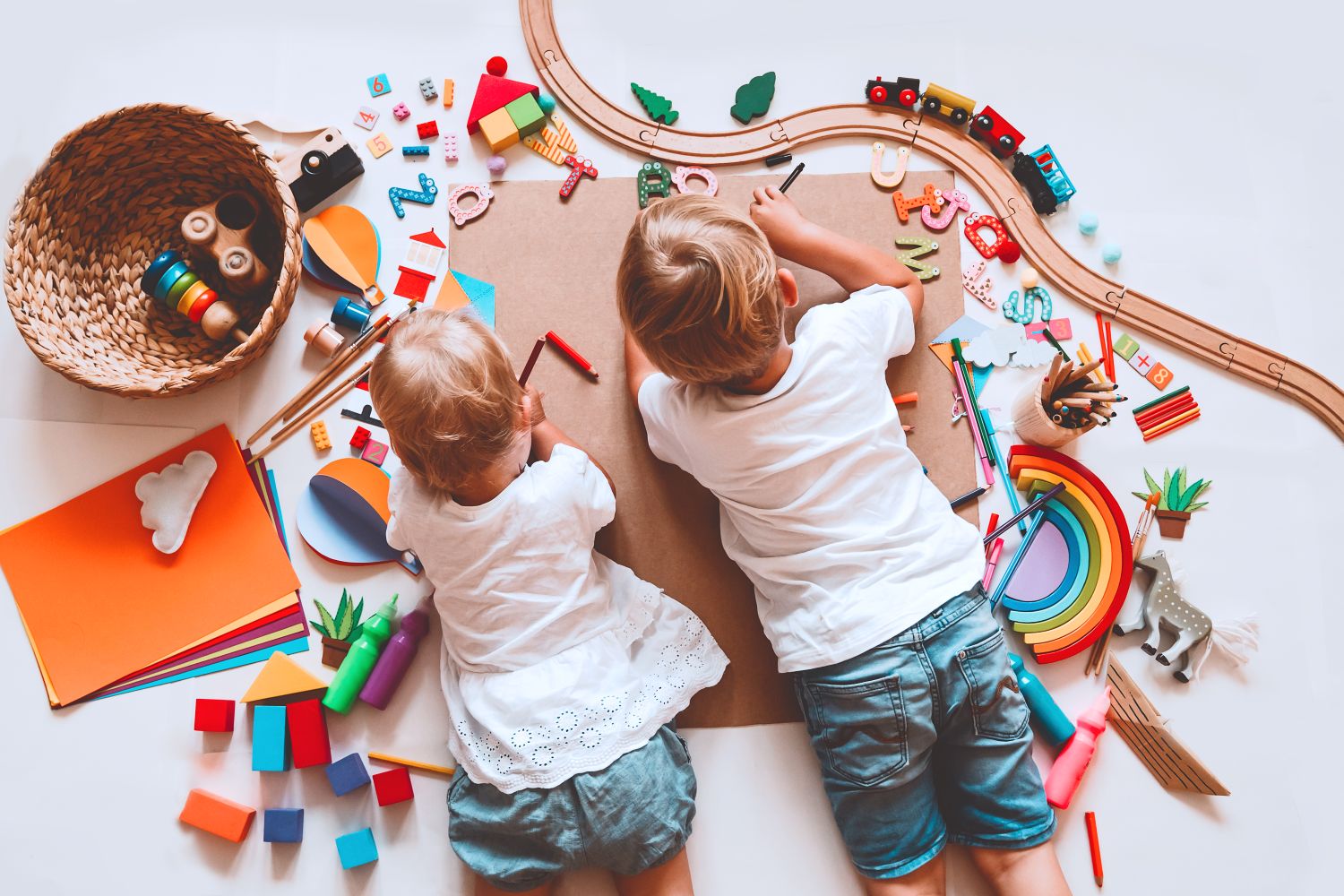
Toys That Teach: Fostering Growth and Learning in 2-Year-Olds Through Play
Play is not merely a source of enjoyment; it serves as a critical component of a child’s development, particularly during the toddler years. This article examines the ways in which play facilitates growth and learning, with a specific focus on thoughtfully selected toys that enhance the cognitive and emotional skills of a 2-year-old. We will discuss the types of toys that provide substantial benefits, how to select appropriate options based on age and interests, and offer guidance for parents on fostering creativity and engagement during playtime. This exploration aims to reveal the significant role that play has in shaping the minds of young children.
The Importance of Play in Child Development
Play is a fundamental component of child development that promotes both growth and learning in young children. Through interactive and imaginative engagement, children explore their environment, develop essential skills, and cultivate the confidence necessary for future challenges.
As children engage in various play activities, they enhance their cognitive development and emotional intelligence, while simultaneously nurturing their social skills and creativity. Furthermore, play-based learning environments encourage exploration and independence, laying the groundwork for lifelong learning.
The significance of educational toys in this context is paramount, as they offer valuable opportunities for hands-on experiences that facilitate discovery and overall growth.
How Play Helps with Growth and Learning
Play serves as a vital mechanism through which children experience growth and learning, effectively enhancing their developmental skills and critical thinking abilities. Engaging in various forms of play, such as role play, puzzles, and arts and crafts, allows children to explore new concepts and develop their motor skills in a safe environment.
As they navigate through these playful experiences, children not only enjoy themselves but also gain confidence in their abilities.
For instance, educational toys like building blocks can foster spatial awareness and engineering skills, while board games encourage turn-taking and cooperation among peers.
By choosing toys that stimulate curiosity and offer challenges, caregivers can support the development of essential skills that prepare children for future academic and social settings.
Ultimately, the integration of such toys into playtime enriches their understanding of the world, making learning both enjoyable and impactful.
Toys That Promote Learning in 2-Year-Olds
Selecting appropriate toys is essential for fostering learning and development in 2-year-olds, as this age group is particularly open to new experiences and skill acquisition.
At this developmental stage, children exhibit a strong desire to explore their surroundings, making it imperative to offer toys that promote interactive play and cognitive engagement.
Educational toys designed to enhance fine motor skills, language development, and sensory exploration can significantly support a child’s growth and learning.
Options such as building blocks, puzzles, and musical instruments effectively combine enjoyment and education, nurturing curiosity and facilitating developmental skills through hands-on learning experiences.
Types of Toys and their Benefits
It appears that there is an error present in the provided text. Please provide the correct content for a formal and professional rewrite.
Choosing the Right Toys for Your Child
Selecting appropriate toys for a child necessitates careful consideration of their age, developmental milestones, and individual interests to ensure that playtime is both safe and enriching.
Toys must be age-appropriate, addressing the specific developmental needs of children at various stages, particularly for toddlers who are experiencing rapid growth in their motor skills, language acquisition, and social interaction abilities.
By recognising the significance of educational value in toys, parents can make informed decisions that promote exploration, discovery, and cooperative play. Additionally, taking into account a child’s interests can lead to a more engaging and rewarding playtime experience, thereby enhancing their overall learning and development.
Considerations for Age, Development, and Interests
When selecting toys, it is essential to consider the child’s age, developmental stage, and individual interests to ensure that they receive the maximum educational benefit. For example, toys that support child-led play can encourage independence and creativity, while those designed for specific developmental levels may enhance vital skills such as fine motor abilities and problem-solving.
By understanding the child’s current capabilities and preferences, parents can provide toys that promote exploration and engagement within a safe and nurturing environment. As children develop, their interests may shift, making it necessary to periodically re-evaluate the toys available to support ongoing learning.
Safety should always be a primary concern, particularly regarding small parts and materials that could present choking hazards. Parents must also be mindful of the developmental milestones their child is approaching; selecting toys that stimulate cognitive and social skills is crucial at various stages of development.
Engaging with children about their preferences can yield valuable insights into their interests, fostering a personal connection through play. Regular discussions about these factors not only assist in identifying appropriate toys but also strengthen the bond between parent and child.
Ultimately, adaptability and awareness of evolving needs are vital in ensuring that play remains both enjoyable and educational throughout the child’s developmental journey.
Tips for Encouraging Learning Through Play
Encouraging learning through play necessitates intentional interaction and engagement from parents, who can significantly enhance the educational experience for their children during playtime.
By actively participating in activities such as arts and crafts, role play, or cooperative games, parents can exemplify essential skills such as sharing, turn-taking, and critical thinking.
Nurturing creativity and imagination through guided play not only fosters emotional development but also promotes deeper cognitive connections.
Moreover, the integration of educational toys that support multi-sensory experiences can facilitate discovery and exploration, thereby enriching the overall learning environment during play sessions.
Engaging with Your Child and Promoting Creativity
Engaging with one’s child during playtime is essential for fostering creativity and enhancing their overall learning experience. By actively participating in interactive learning activities, parents can stimulate their child’s imagination and encourage exploration of new ideas and concepts.
Setting aside dedicated time for activities such as building with blocks or experimenting with science kits can ignite curiosity and drive innovation. Additionally, parents can utilise everyday items for imaginative play, using kitchen utensils to create a cooking show or transforming a cardboard box into a spaceship, thereby allowing for limitless creativity.
Furthermore, posing open-ended questions during these activities encourages children to think critically and develop problem-solving skills. This combination of guidance and freedom not only nurtures creativity but also creates meaningful memories, reinforcing the important bond between parent and child as they navigate and learn about the world together.